
Retro Decor: Creating a 70s Vibe in a Small Living Space
Retro decor can be soft and earthy, but let’s get one thing out of the way early: the 1970s were not subtle. Alongside all the warm woods and cozy textures, there were bold colors, wild patterns, and a very real commitment to personal style. The trick, especially in a small living space, is deciding how far you want to lean in.
This mood board is about creating a 70s-inspired retro decor vibe in a small living space without feeling boxed in by rules. Whether you prefer a gentle nod to the era or you want your apartment to feel like it time-traveled from 1974, there’s room for both approaches here.
Earthy Foundations (Because They Ground Everything Else)

Warm, earthy tones are the backbone of 70s retro decor, and they’re especially useful in small spaces. Browns, rust, olive, and mustard create a sense of cohesion that keeps even bolder choices from feeling chaotic.
Instead of thinking in terms of a strict color palette, think in layers:
- Wood tones that lean warm rather than cool
- Creams instead of bright white
- Muted versions of bold colors that feel worn-in
These tones act like a visual anchor. Once they’re in place, you have a lot more freedom to experiment.

Texture matters just as much as color. In a small space, texture adds depth without adding clutter. Velvet pillows, woven accents, wood grain, and ceramic finishes all quietly reference the 70s without feeling like a theme room. Even subtle changes, like swapping a sleek lamp for one with a softer shape, can shift the entire mood.
Bold Color and Pattern, Used With Intention
This is where the 70s really come alive. Psychedelic prints, oversized florals, and graphic patterns were everywhere, and yes, they can work in a small living space.
The key is restraint, not avoidance.
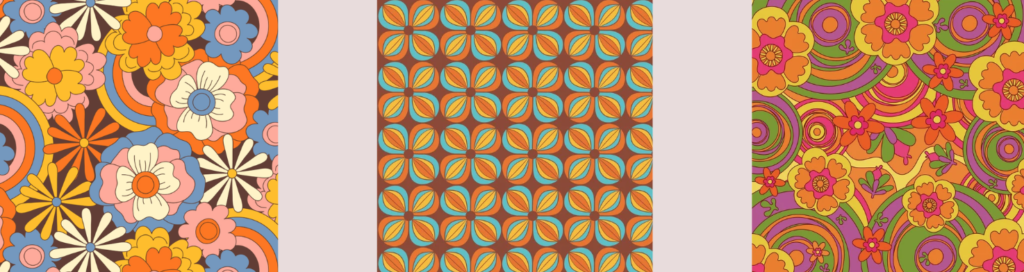
A few ways to do it without overwhelming the room:
- One statement pattern instead of several competing ones
- Patterned pillows or throws rather than full upholstery
- Wall art or tapestries that bring in color without adding bulk
If your style leans more expressive, this is where you let it show. A bold rug, a floral accent chair, or even a patterned wallpaper moment can completely transform a small space when the rest of the room stays relatively grounded.
Furniture That Feels Low, Relaxed, and Inviting
Retro decor from the 70s prioritized comfort over formality, which works beautifully in compact spaces. Low-profile furniture keeps the room feeling open, while rounded shapes soften tight corners.
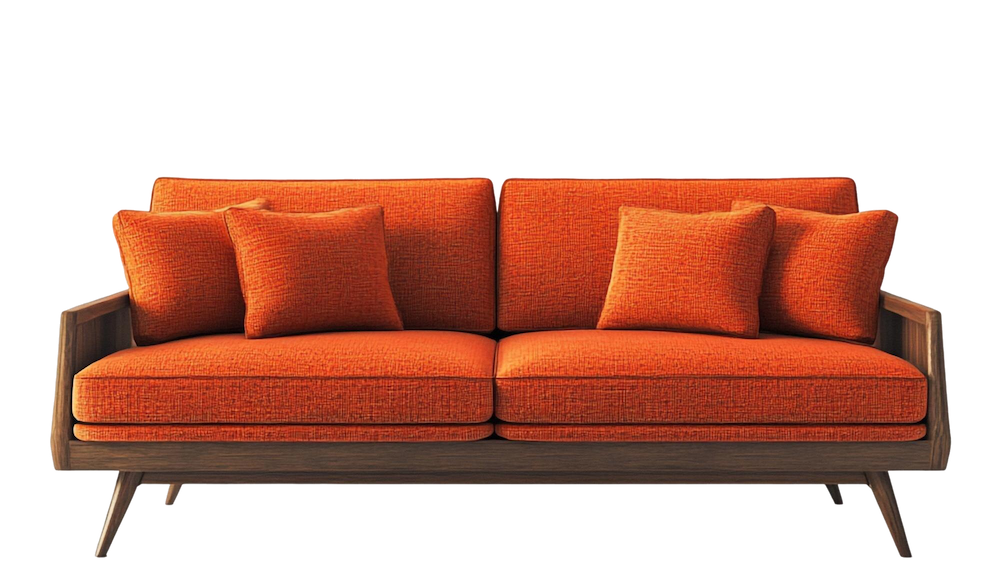
Look for:
- Low-slung sofas or floor-level seating
- Modular pieces that can adapt to your space
- Curves rather than sharp edges
Even one strong furniture choice can set the tone. You don’t need a full matching set to make the space feel intentional.
Retro Decor That Feels Collected, Not Styled
One of the most charming things about 70s interiors is that they felt lived-in. Books, records, ceramics, and art weren’t perfectly spaced. They were gathered over time.
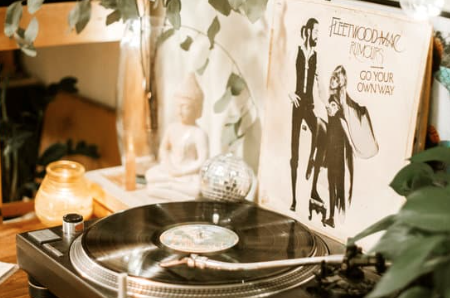
In a small space, this works best when decor is grouped:
- A small shelf that mixes books and objects
- A side table with a lamp and a few personal items
- Art that leans bold but doesn’t crowd every wall
This is also where people who want to fully commit to the era can have fun. Lean into vintage references, nostalgic motifs, and pieces that feel personal rather than trendy.
Lighting That Leans Warm and Moody
The 70s favored atmosphere over brightness, and that’s still a solid rule. Especially in a small living space, layered lighting creates depth without adding visual noise.
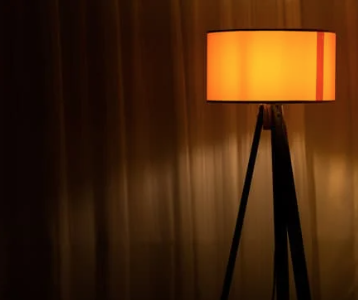
Think:
- Table lamps with warm bulbs
- Soft floor lamps tucked into corners
- Light that glows rather than floods
Good lighting makes even the boldest decor feel intentional.
How Far You Take It Is Entirely Up to You
Retro decor isn’t about following a formula. Some people want a quiet, cozy nod to the 70s. Others want their space to feel unapologetically era-specific, bold patterns and all. Both are valid.
Start with what feels right, build slowly, and let your space reflect your personality. The best 70s interiors were never about perfection. They were about comfort, expression, and a little bit of confidence.